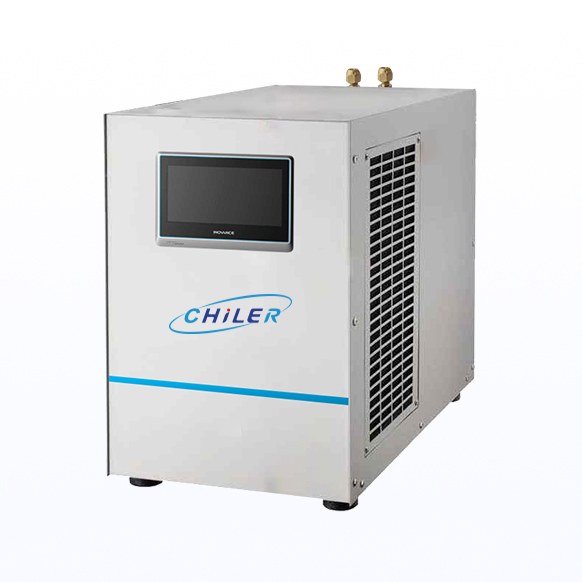
LEB Series: Direct Refrigerant Cooler for EV Power Batteries

As EV power battery energy density increases, high-voltage platforms are upgraded, and the power output of the powertrain and power supply assembly scales up, testing during production has become increasingly vital, driving the gradual enrichment and refinement of test flows. Current power battery testing encompasses over ten test procedures, including leak tightness test, pressure drop test, hydrostatic strength test, high and low temperature endurance test, pressure cycling test, and thermal cycling test. Featuring control process self-learning, an intuitive HMI, and IoT-based data transmission and analysis, the product helps customers achieve optimal testing outcomes.
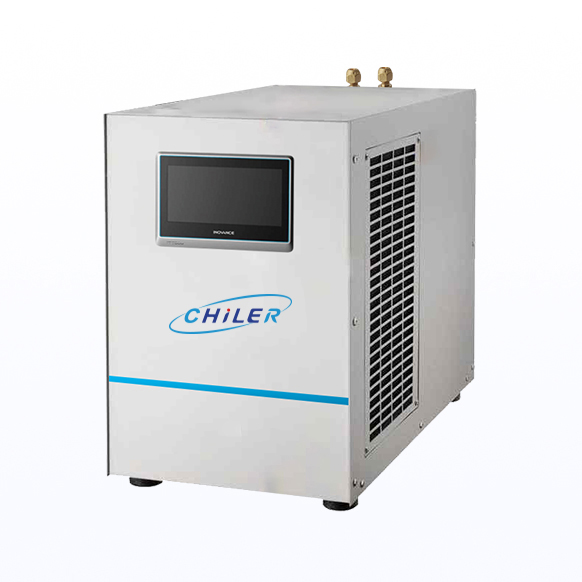
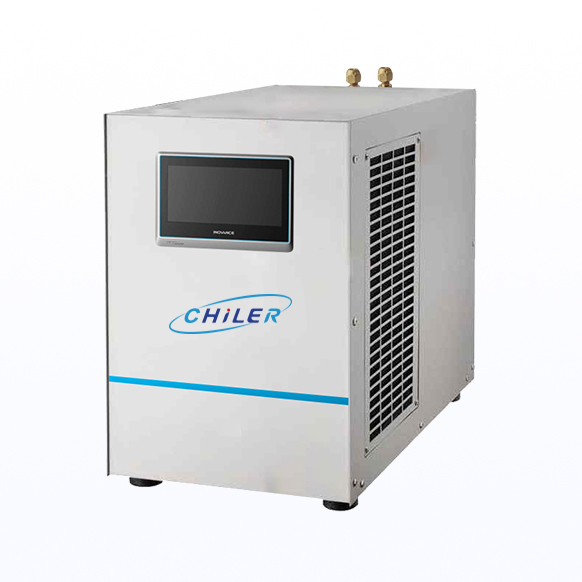
Product Details

As EV power battery energy density increases, high-voltage platforms are upgraded, and the power output of the powertrain and power supply assembly scales up, testing during production has become increasingly vital, driving the gradual enrichment and refinement of test flows. Current power battery testing encompasses over ten test procedures, including leak tightness test, pressure drop test, hydrostatic strength test, high and low temperature endurance test, pressure cycling test, and thermal cycling test. Featuring control process self-learning, an intuitive HMI, and IoT-based data transmission and analysis, the product helps customers achieve optimal testing outcomes.
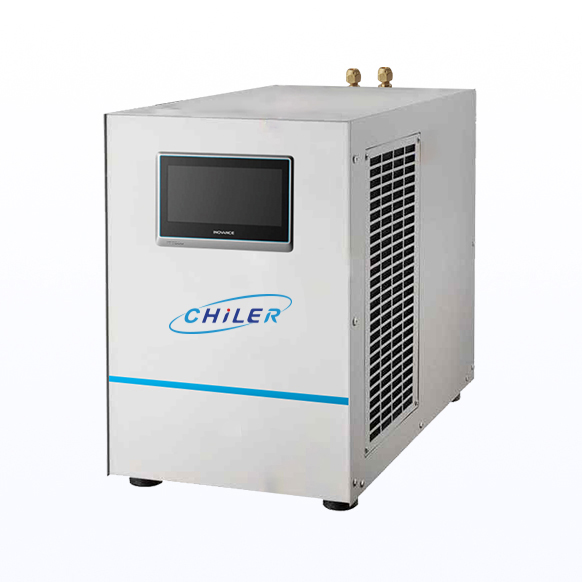
Chiler Intelligent’s thermal control equipment for EV “three-electric system” testing covers the above test procedures, including pressure drop test, hydrostatic strength test, high and low temperature endurance test, pressure cycling test, and thermal cycling test. Featuring multi-channel “one-to-many” test functions, the product leverages temperature control process self-learning, an intuitive HMI, and IoT-based data transmission and analysis to help customers achieve optimal testing outcomes.

Product temperature control range of -40°C to 120°C, temperature control accuracy of ±0.2°C; refrigerant flow control range of 0 to 40 L/min, flow control accuracy of ±0.1 L/min; adjustable pressure between 0.2 and 3 bar.